How Can Businesses Benefit from Staples 3D Printing Services
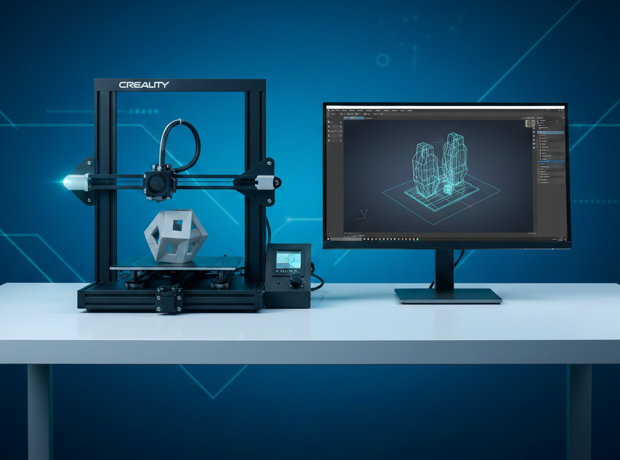
3D printing has revolutionized manufacturing, prototyping, and product design by enabling rapid and customizable production. Staples, a company known for office supplies and business services, has embraced this cutting-edge technology to offer 3D printing solutions to its customers. With 3D printing, businesses of all sizes can prototype products, create unique designs, and bring ideas to…
3D printing has revolutionized manufacturing, prototyping, and product design by enabling rapid and customizable production. Staples, a company known for office supplies and business services, has embraced this cutting-edge technology to offer 3D printing solutions to its customers. With 3D printing, businesses of all sizes can prototype products, create unique designs, and bring ideas to life without the need for large-scale manufacturing.
As industries look for more efficient ways to produce prototypes, models, and tools, in-house 3D printing is becoming a preferred choice. Staples offers a range of services that cater to businesses that require low-volume, high-quality, and affordable 3D printed products. This shift is empowering businesses to test and iterate on designs faster, reduce costs, and improve overall product development processes.
What is Staples 3D Printing?
Staples 3D printing offers an affordable and accessible way for businesses, schools, and professionals to turn their digital designs into physical prototypes and products. With a range of printing technologies, such as fused deposition modeling (FDM) and stereolithography (SLA), Staples brings precision, speed, and affordability to the forefront of the 3D printing revolution. The services cater to a variety of industries, enabling entrepreneurs, designers, and innovators to materialize their ideas quickly and effectively.
The Technology Behind Staples 3D Printing
Staples uses high-end 3D printers capable of producing models with intricate details and complex geometries. The technology is versatile, able to print with a variety of materials, including plastic, resin, and even metal. The versatility of Staples 3D printing solutions ensures that businesses can access a range of materials suited to their specific needs, from consumer products to industrial tools.
How Does Staples 3D Printing Work?
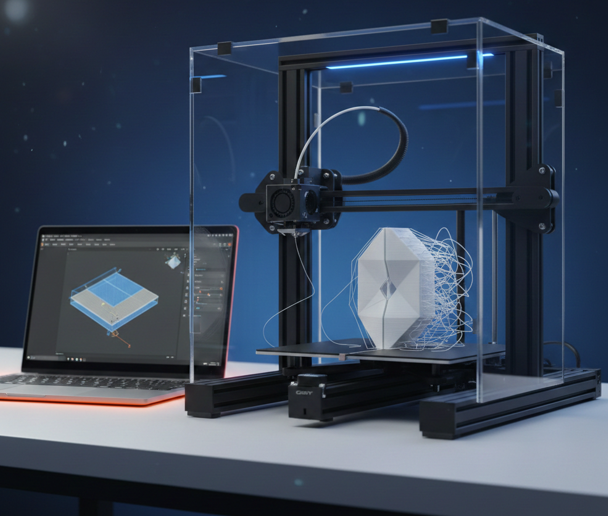
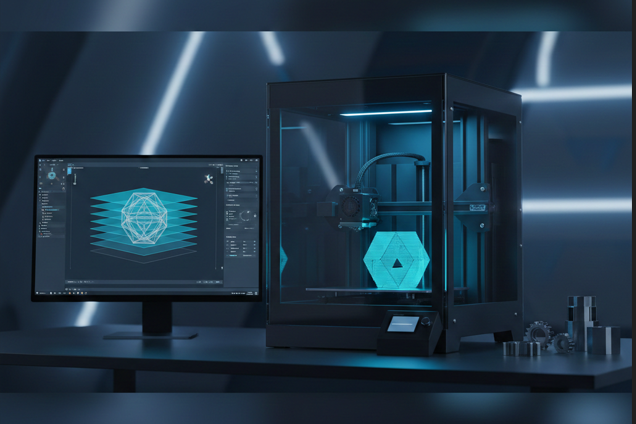
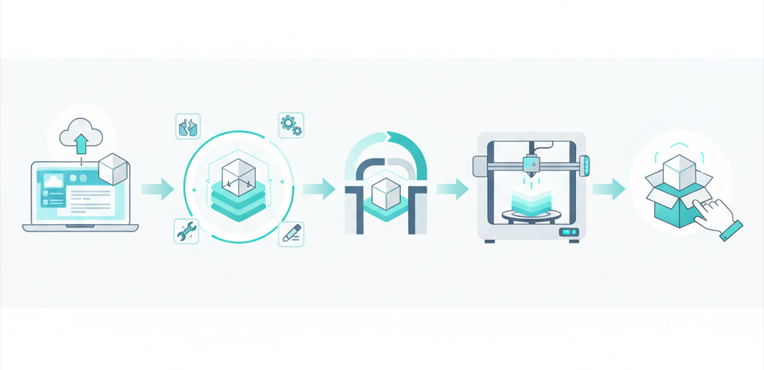
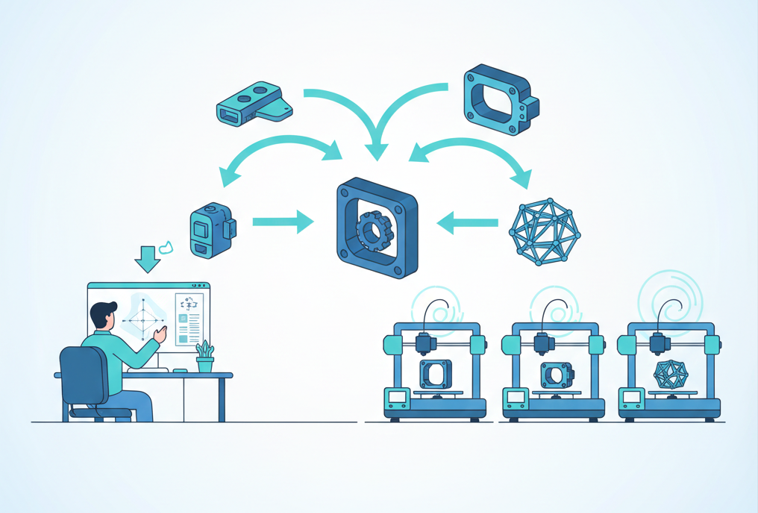
Staples provides a simple, customer-friendly process for utilizing its 3D printing services. The process starts with uploading a 3D model to their platform, which then uses advanced software to prepare the file for printing. Staples provides online tools to ensure your design is ready for production, offering support in areas like file repair and model optimization. After the file is prepared, the 3D printing machine gets to work, layering material to create your model with precision.
Step-by-Step Guide to Using Staples 3D Printing Service
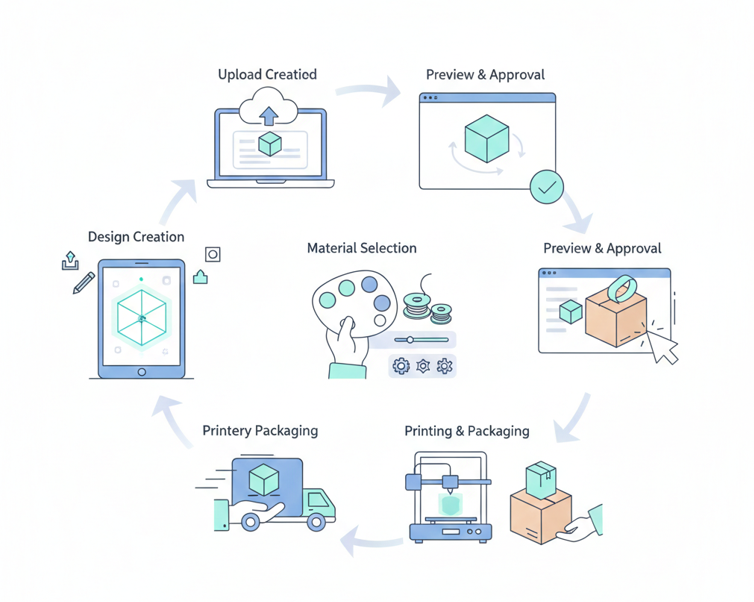
- Create or Choose a Design: Whether you design the model yourself or choose from a pre-existing library, the first step is to have a 3D digital file.
- Upload Your Model: Upload the design to the Staples platform, where it will be checked for compatibility and potential errors.
- Select Materials and Settings: Choose the material and printing settings according to the type of model you’re creating.
- Preview and Approve: Staples’ software gives you a preview of your model, allowing you to confirm everything is accurate before printing.
- 3D Printing and Shipping: Once approved, the printing process begins. After completion, the model is shipped to your location.
Why Should Businesses Use Staples 3D Printing Services?
Staples 3D printing services provide businesses with an efficient way to produce custom prototypes and parts, enabling faster product development and cost savings on manufacturing.
Cost-Effective Prototyping
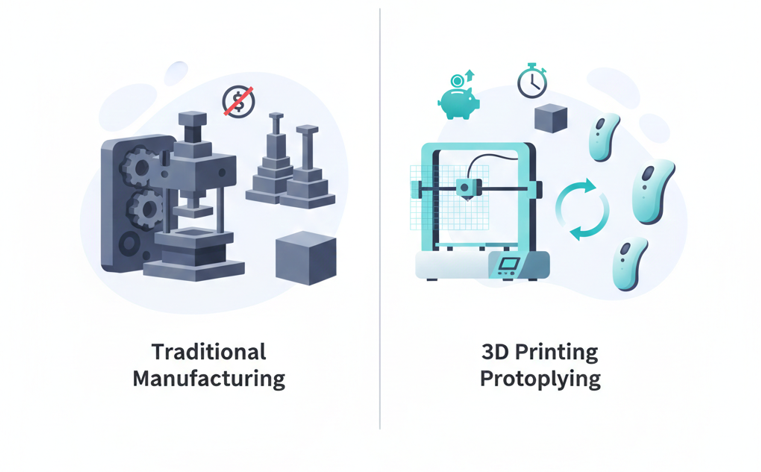
Traditional manufacturing processes can involve significant upfront costs, including molds and tooling. Staples 3D printing allows businesses to create prototypes with little to no initial investment, making it a highly cost-effective solution for rapid prototyping and low-volume manufacturing. The ability to test multiple iterations of a design without the need for expensive tooling makes 3D printing a preferred choice for many companies.
Customization and Flexibility
With Staples 3D printing, businesses gain the ability to produce customized parts and prototypes that meet their exact specifications. This opens up new possibilities for companies to create unique products or solutions tailored to their market. Whether you’re designing a new part for machinery or customizing consumer products, the flexibility offered by 3D printing is unmatched.
What Materials Are Used For Staples 3D Printing?
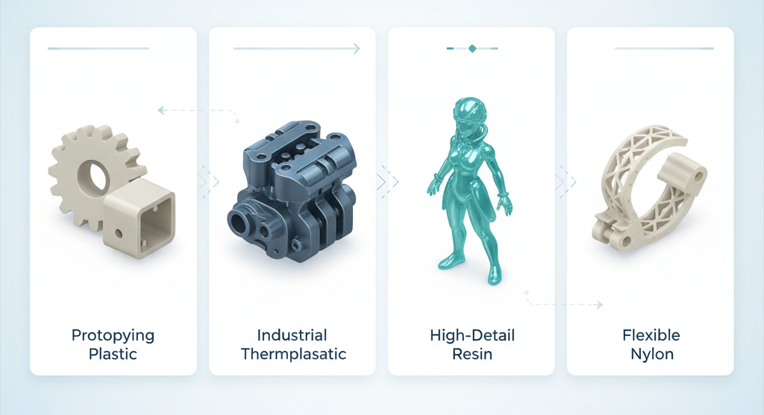
Staples offers a variety of materials to suit different printing needs. The choice of material affects the durability, flexibility, and finish of the printed model. Below is a breakdown of some of the materials available through Staples’ 3D printing services:
PLA (Polylactic Acid)
PLA is one of the most common materials used for 3D printing. It’s eco-friendly, biodegradable, and works well for creating non-functional prototypes and models. For tips on optimizing PLA printing properties, check out our detailed PLA print temperature guide
ABS (Acrylonitrile Butadiene Styrene)
ABS is a popular thermoplastic that offers greater strength and durability, making it suitable for more functional prototypes and end-use parts.
Resin
Resin materials are ideal for high-resolution prints that require intricate details, making them perfect for jewelry, dental models, or detailed prototypes.
Nylon
Known for its strength and flexibility, nylon is ideal for creating durable, wear-resistant parts and products.
How Fast Can You Expect Your Print to Be?
The turnaround time for 3D printing varies depending on the size and complexity of the model. For simpler prints, customers can expect a faster turnaround, typically within a few days. More complex models may take longer, but Staples provides tracking and updates throughout the printing process.
What Are The Challenges of Staples 3D Printing and How to Overcome Them?
While Staples 3D printing services offer numerous benefits, businesses must also be aware of potential challenges. These can include material limitations, size restrictions, and post-processing requirements. Here’s how businesses can tackle these challenges:
Material Limitations
Staples provides a range of materials, but there are still certain limitations. Not all materials may be suitable for every project. It’s essential for customers to consult with Staples’ experts to choose the most appropriate material for their needs.
Size Restrictions
Staples’ 3D printers have size limits, which may not accommodate particularly large designs. In such cases, customers can either resize their models or opt for a larger-scale service.
Post-Processing Needs
Some 3D printed models require post-processing, such as sanding, painting, or assembling. Understanding these requirements in advance can save businesses time and money.
What Are The Applications of Staples 3D Printing in Various Industries?
Staples 3D printing services cater to diverse industries, empowering businesses to streamline product prototyping, produce bespoke parts, and accelerate innovation in design and manufacturing.
Product Development and Design
Staples 3D printing is widely used in product development. Designers can create prototypes quickly, iterate on designs, and make necessary adjustments before moving to full-scale manufacturing. This speeds up the development process and reduces the risk of costly mistakes.
Educational and Research Purposes
In educational environments, Staples’ 3D printing services are an excellent resource for students and researchers. They can bring their ideas to life, creating models for experiments or demonstrations. This hands-on approach enhances learning and innovation.
Manufacturing and Spare Parts
For manufacturers, Staples 3D printing offers the ability to quickly produce custom parts and tooling, reducing downtime and production costs. Whether it’s creating specialized tools or small batches of replacement parts, Staples’ services can meet these needs efficiently.
The Future of Staples 3D Printing: What Lies Ahead?
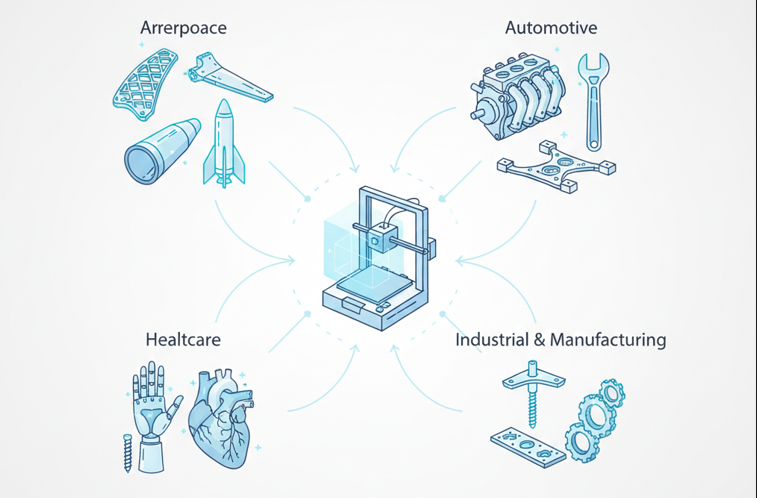
As 3D printing technology continues to evolve, Staples is likely to expand its offerings, integrating more advanced materials and printing techniques. The future of Staples 3D printing could involve greater accessibility to industries like aerospace, automotive, and healthcare, where precision and customization are critical.
The potential for 3D printing in these industries is enormous, and Staples’ ability to cater to a diverse customer base means it is well-positioned to be at the forefront of these advancements.
Final Thoughts
Staples 3D printing services provide businesses with an efficient, cost-effective solution for creating prototypes, parts, and products. Whether for prototyping, educational purposes, or small-scale manufacturing, Staples’ services offer the flexibility and precision required to bring ideas to life. With the right approach, companies can harness the power of 3D printing to streamline operations, improve product design, and stay ahead in a competitive market.

I share practical insights on the latest 3D-printing software and hardware, helping makers navigate tools and technologies with confidence. My goal is to make digital fabrication simple and accessible for everyone.